


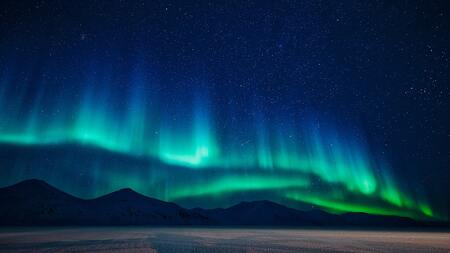


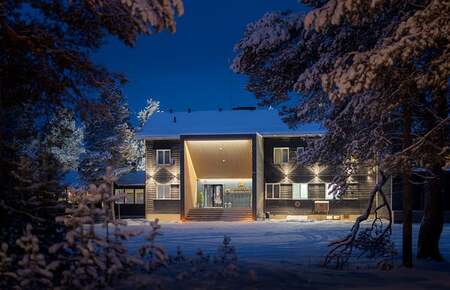
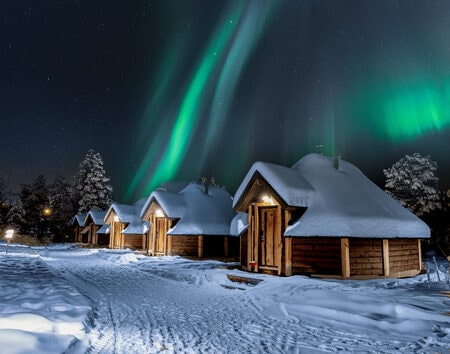










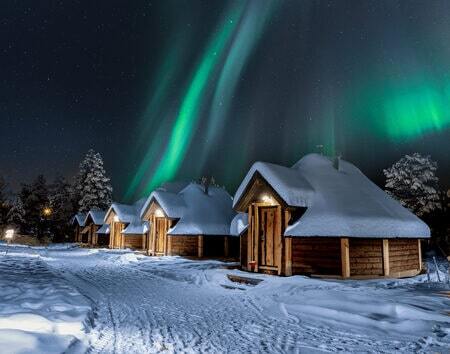


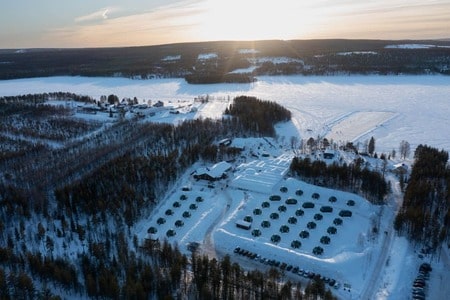










If you’re looking for the most northerly city in the world, the answer depends on what you count. The northernmost town with a permanent population of over 1,000 is Longyearbyen, on Svalbard in Norway, at 78.2°N. Ny-Ålesund, a research base of around 35 people, sits further north but is generally not considered inhabited permenantly, while Tromso (69.6°N) is the world’s largest northernmost city this far north .
This guide skips the research outposts and covers eight Arctic cities and towns you can actually visit, ordered from north to south. They run from Longyearbyen to Reykjavik, the northernmost capital of a sovereign state. For each, you’ll find the latitude, what it’s best known for and the best time to go. Northern lights season runs roughly September to March, and the midnight sun and polar night shape every trip. We offer trips to all 8 options so give us a shout if you’d like to visit!

Longyearbyen, Svalbard, Norway (78.2°N)
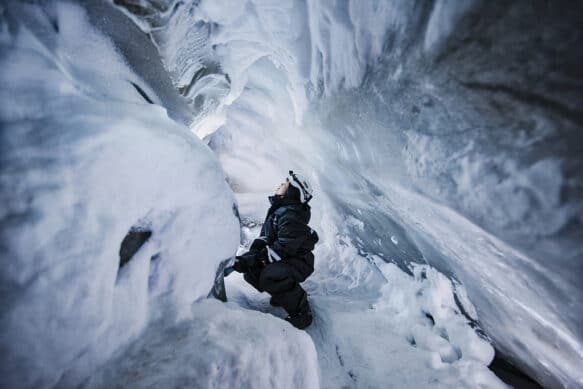
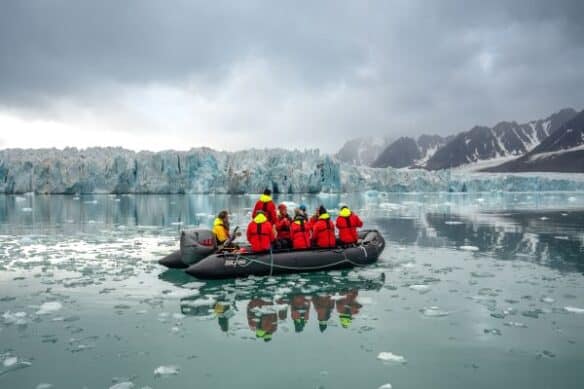
The Svalbard/Spitsbergen Islands are a land of extremes. Accessible through flights – usually via Oslo it is a busy town in the far North!
Widely regarded as the world’s most Northerly town burials are banned in Longyearbyen because the permafrost stops bodies decomposing. Remains from 1918 flu victims still held traces of the virus when checked, so anyone seriously ill is flown to the mainland. You also need a rifle if you go outside the town limits, to protect against polar bears. The sun disappears from late October to mid-February, and the midnight sun runs from mid-April to late August. Longyearbyen is a great destinations year-round – the Arctic Direct team have visited in Polar night (24 hour darkness), the midnight sun (24 hour light) and inbetween! If you’re not sure which is right for you then we’re hapy to talk you through the options!
Alta, Norway (70.0°N)
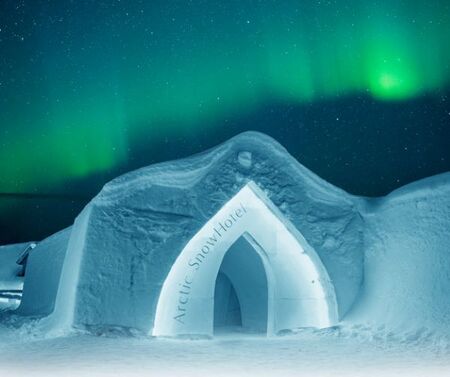
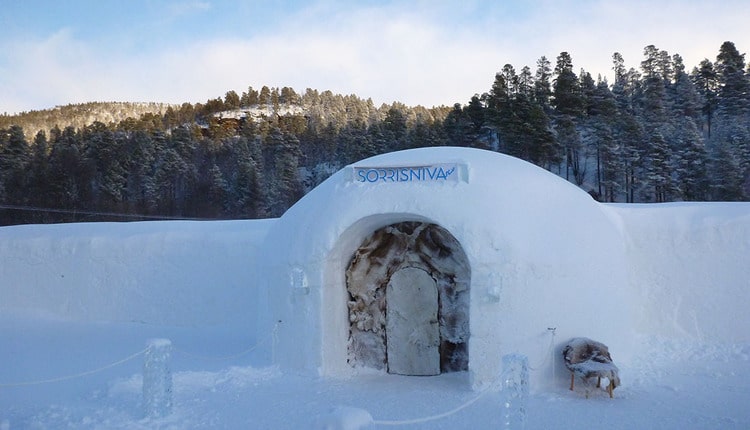
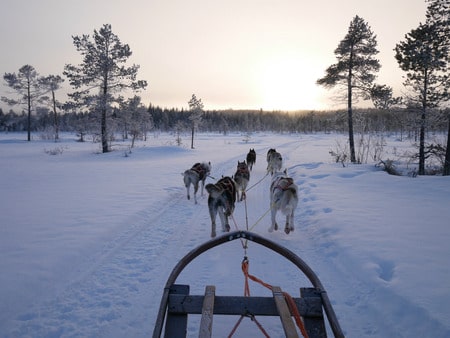
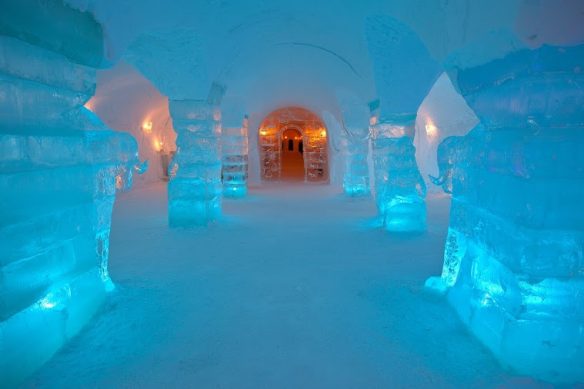
Resting on the North Coast of Norway – Alta offers a range of activities and is accetssibe with flights via Oslo and Tromso. Alta is further north than Tromsø and gets far fewer visitors. It calls itself the town of the northern lights, and a northern lights observatory was built on a mountain nearby in 1899. The rock carvings here are thousands of years old and a UNESCO World Heritage site. In winter you can stay in an ice hotel at Sorrisniva or go dog sledding. Northern lights season runs September to March and the Snow hotel is open in the mid winter. In Summer the sun never sets adn there are opportunities for hiking and boat trips.

Tromsø, Norway (69.6°N)
Tromsø is the biggest city this far north, with about 77,000 people, and it is often called the Paris of the North. It is a bustling city and oftern a little warmer than some towns further south due to the Gulf Stream. Northern lights season runs September to March, and you can often see them from the edge of town. It is known as a peak place to see whale form Around October to early February. The sun doesn’t rise from late November to mid-January and there are direct flights from the UK in winter. In summer the fjords are perfect for exploring.
Ilulissat, Greenland (69.2°N)
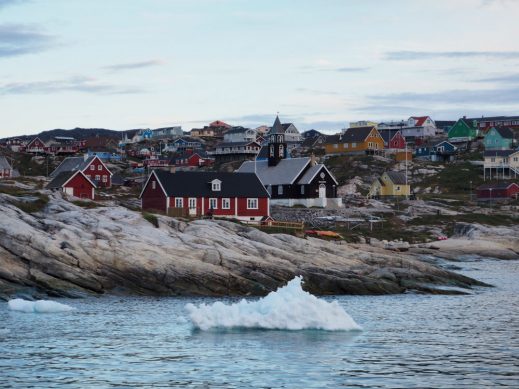
Nestled on Disko Bay Ilulissat means “icebergs”, and the ice fjord has been a UNESCO site since 2004. Even though it only has 4,500 residents this is quite a large town by Greenland standards! It is often said that the iceberg that sank the Titanic came from here. The glacier is one of the most productive in the world. A new international airport opened in late 2024, so the journey is now much shorter than it used to be. Winter visits can be tricky as the remote location can result in flight cancellations but spring to autumn offers lots of chance to visit this amazing town!
Ivalo, Finland (68.7°N)
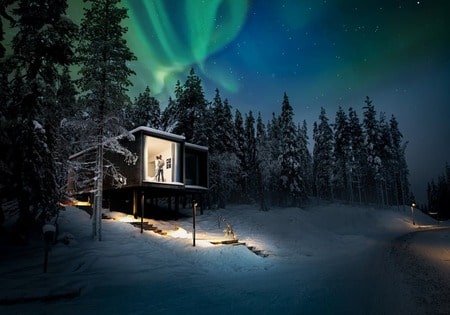
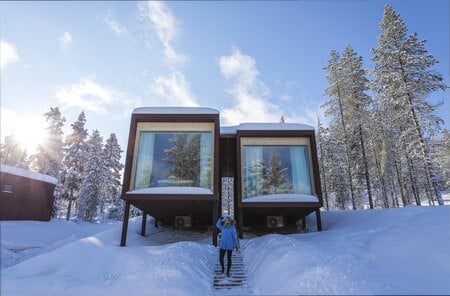
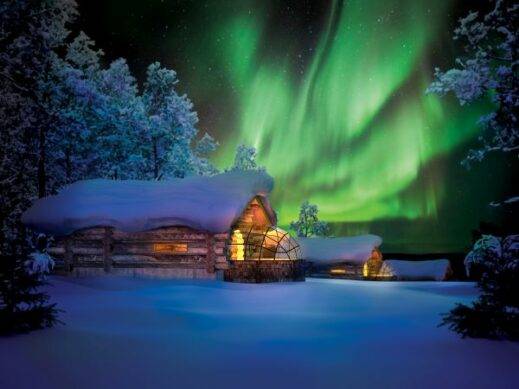
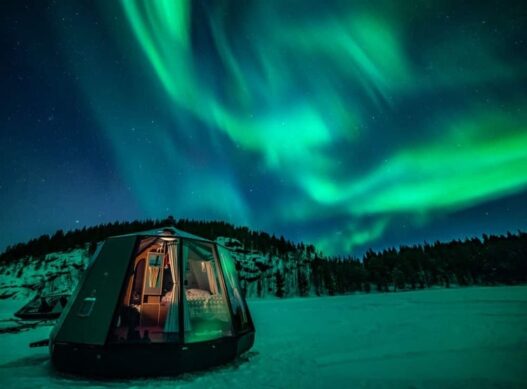
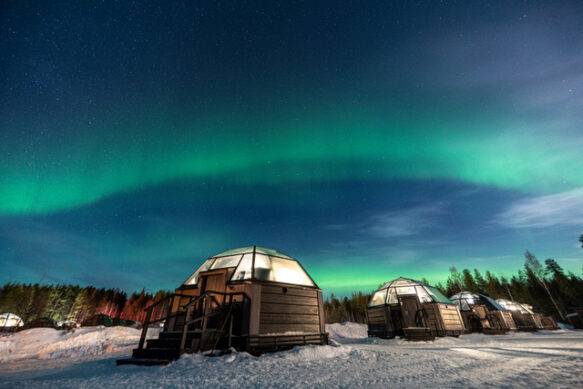
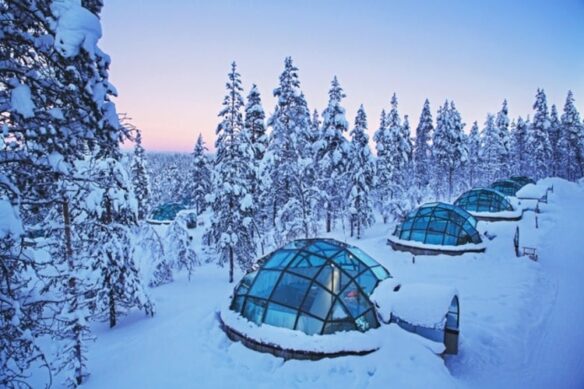
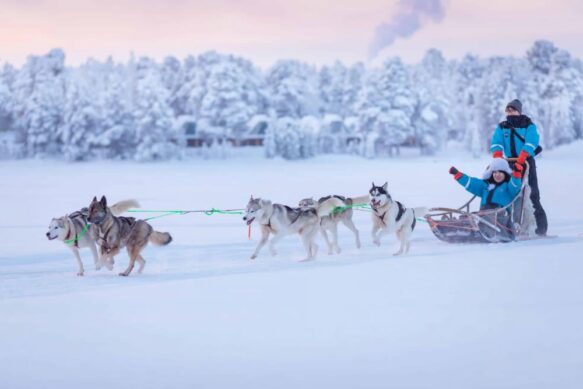
Ivalo is the gateway to Inari and the Sámi homeland, where you’ll find the Sámi Parliament and a Sámi museum. There were three gold rushes in the area between 1868 and the 1940s, and you can still pan for gold. It’s also famous for glass igloos, where you can sleep under the northern lights and stay warm. Popular with guest wanting a comfortable stay in smaller resorts with great accommodation and activities there are a range of popular resorts in the region. A great destination year-round the best time to visit depends on what you want to see!
Kiruna, Sweden (67.9°N)
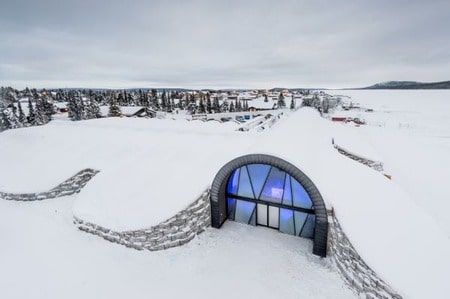
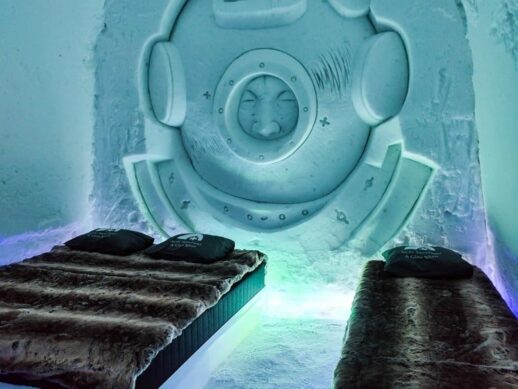
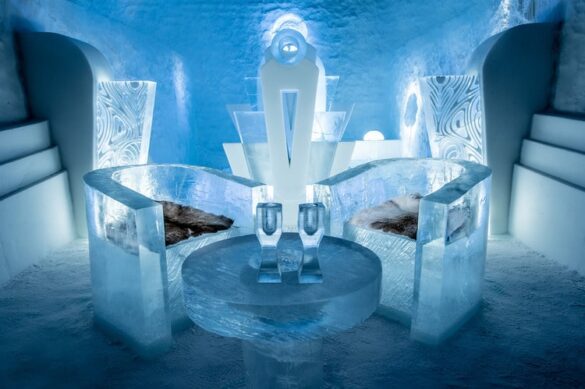
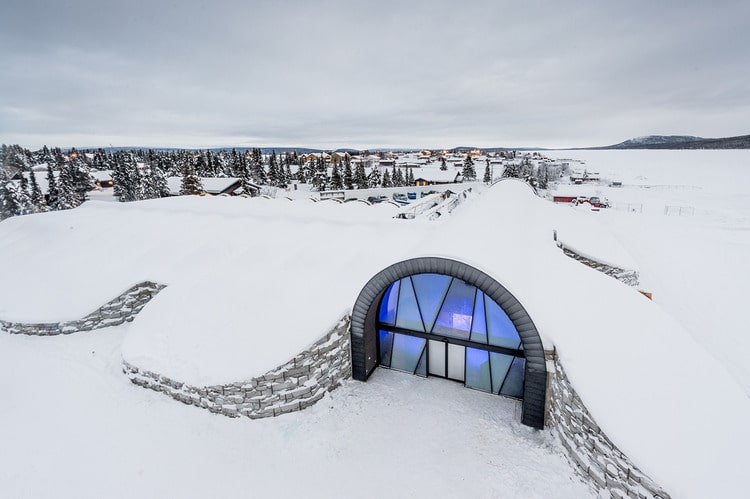
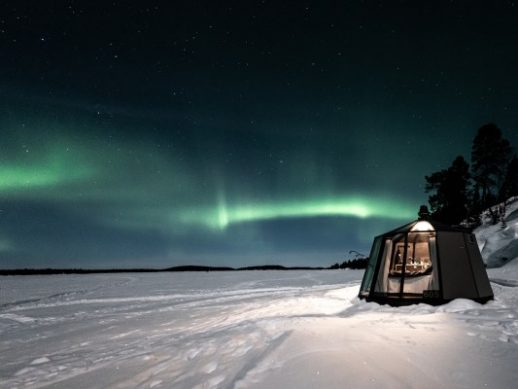
Kiruna is Sweden’s northernmost city, and it is being moved about 3km east because the iron ore mine is causing subsidence. The 1912 church was moved by road in one piece in 2025. The Icehotel in nearby Jukkasjärvi has been rebuilt every winter since 1989. It is possible to visit the Abisko National park frm Kiruna – famous for hiking and also for being a “blue hole” where there tends to be lower cloud cover and therefore a greater chance to see the aurora. The Icehotel 365 means you can stay in an Ice room year round. Best time to visit depends on what you want to see; Summer for midnight sun and hiking or rafting, Autumn for northern lights and quieter resorts, winter for snow activities.
Rovaniemi, Finland (66.5°N)
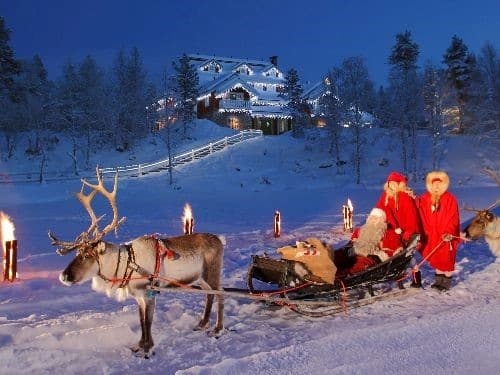
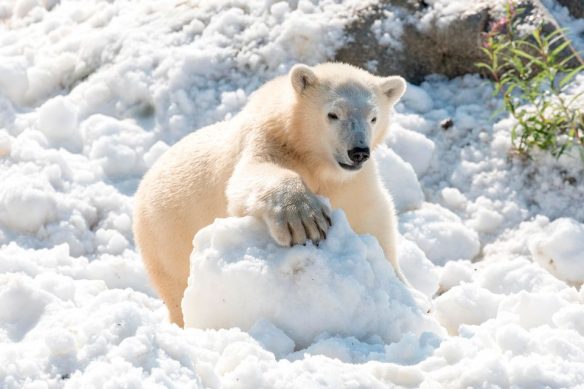
Popular for decades with families looking to find Santa, The Arctic Circle runs through Santa Claus Village, which is in Rovaniemi itself, about 8km north of the centre. Ranua Wildlife Park is about an hour away and specialises in Arctic animals, including polar bear and wolves. Reindeer is on most menus (poronkäristys is sautéed reindeer), which some visitors don’t expect after meeting Santa’s reindeer that morning. Accommodation options include snow hotels and glass roofed igloos. Super busy in December but great fo visiting year-round!
Reykjavik, Iceland (64.1°N)
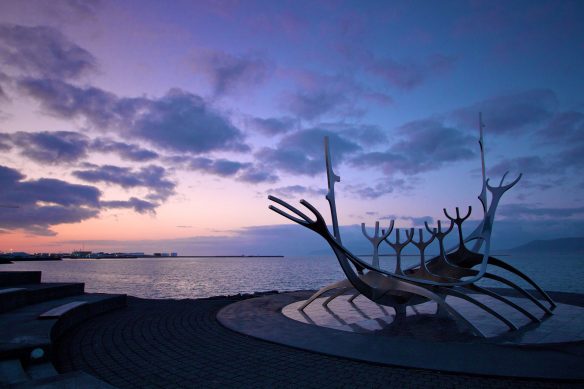
Reykjavik is the northernmost capital of a sovereign state. The name means “smoky bay”, after the steam from hot springs. Geothermal water heats most buildings, and the pavements are heated to melt snow. Offering everything you would expect from a capital city there are a range of accommodation and food options for all tastes and a rich history to learn about. With day trips possible to see waterfalls and black sandy beaches we also highly recommend a visit to a thermal spring bath. Great for visiting year-round but November to Janaury has limited daylight so ensure any sightseeing makes best use of the daylight hours!
| Place | Country | Latitude | Population (approx.) | Best time to visit |
| Longyearbyen | Norway (Svalbard) | 78.2°N | 2,500 | Feb to Apr for snow and returning light, Jun to Aug for midnight sun December for true 24 hour darkness! |
| Alta | Norway | 70.0°N | 21,000 | December – March for Winter activities |
| Tromsø | Norway | 69.6°N | 77,000 | October to early February for Whale watching |
| Ilulissat | Greenland | 69.2°N | 4,500 | Jun to Sep for icebergs and midnight sun |
| Ivalo | Finland | 68.7°N | 3,500 | Sep to Mar for northern lights, Dec to Mar for snow |
| Kiruna | Sweden | 67.9°N | 17,000 | Dec to Mar for ICEHOTEL and snow |
| Rovaniemi | Finland | 66.5°N | 65,000 | Dec for Santa, Sep to Mar for northern lights |
| Reykjavik | Iceland | 64.1°N | 140,000 | Sep to Mar for northern lights, Jun to Aug for long days |