

























Spring has officially arrived in the Arctic, bringing with it a subtle yet noticeable transformation across one of the world’s most dramatic landscapes. After months of deep winter, extreme cold and darkness, April marks a turning point towards longer and more sun filled days. With increasing daylight, milder conditions and the first signs of wildlife reappearing, it becomes an ideal time to experience the Arctic in a completely different way. Spring brings a new beauty to the snow-covered scenery, allowing for the best of winter and spring combined.
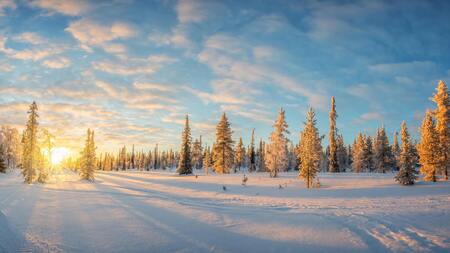
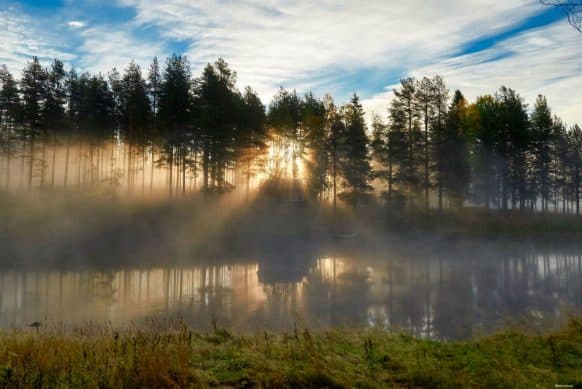
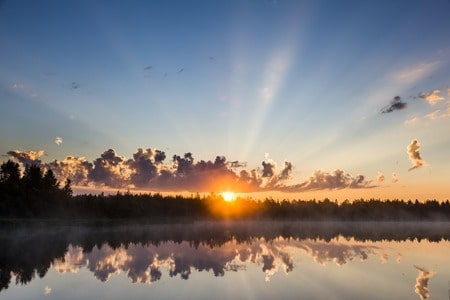
One of the most striking differences is the rapid increase in daylight. Each day grows noticeably longer, with the sun climbing higher in the sky and lingering well into the evening. This shift not only brightens the landscape but also creates a more inviting environment for exploration. The temperatures, while still cold, are generally milder than in the depths of winter, making outdoor activities far more comfortable and accessible.
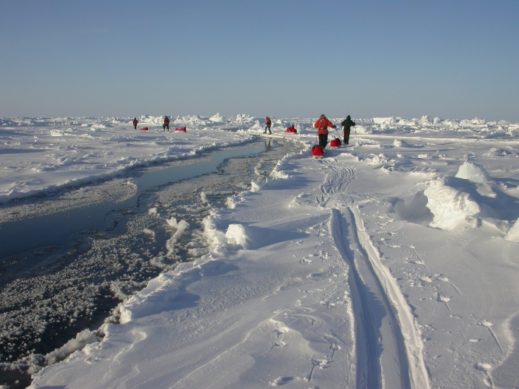
In certain destinations, such as Svalbard, April marks the beginning of the Midnight Sun season. As the month goes on, the sun gradually stops setting, and by late April it remains above the horizon all day. This means the region gets continuous daylight through to late August, creating a unique atmosphere where there’s no real sense of day or night and plenty of time to explore whenever you choose.
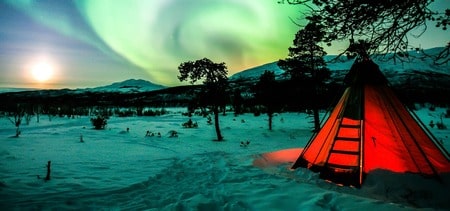
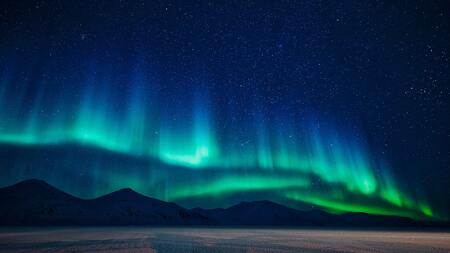
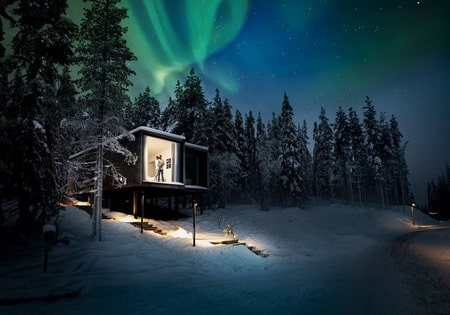
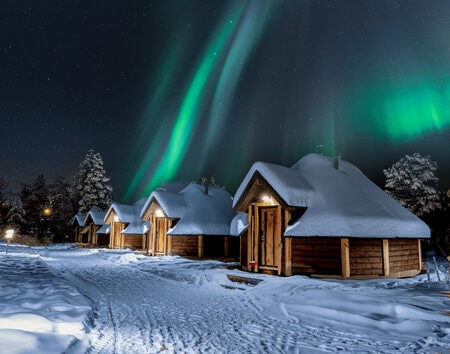
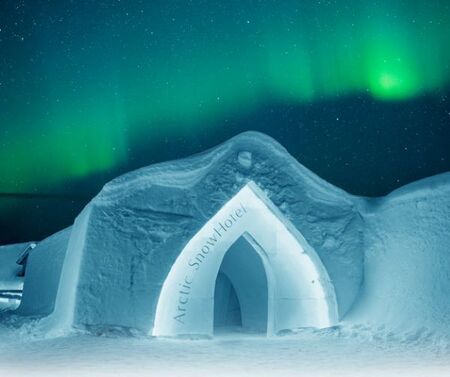
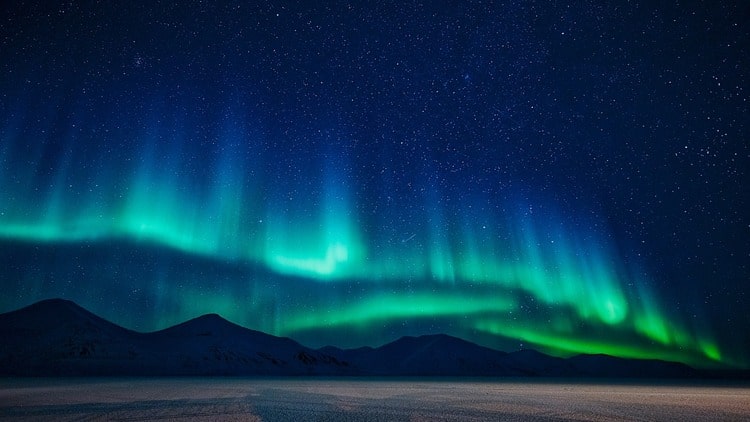
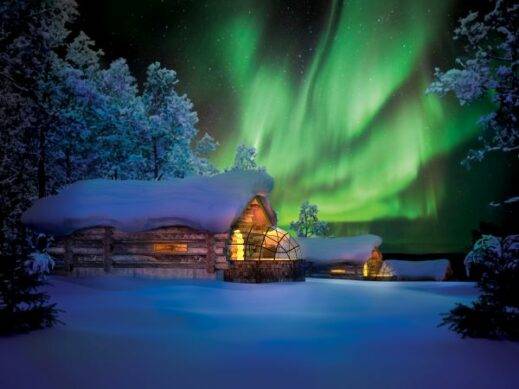
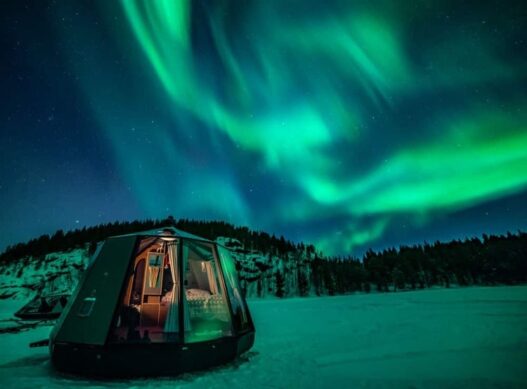
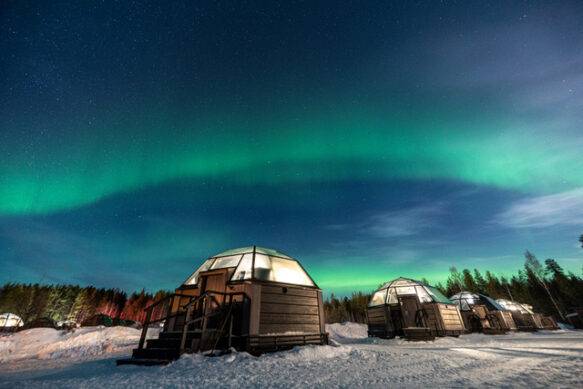
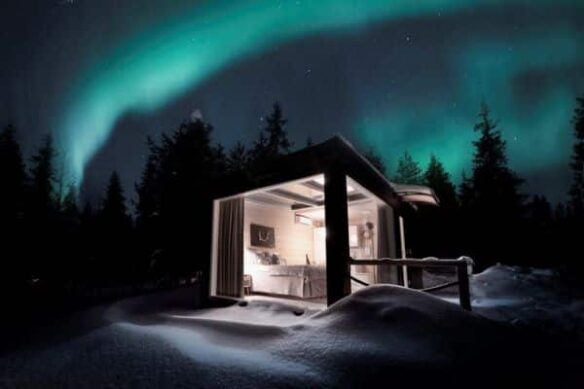
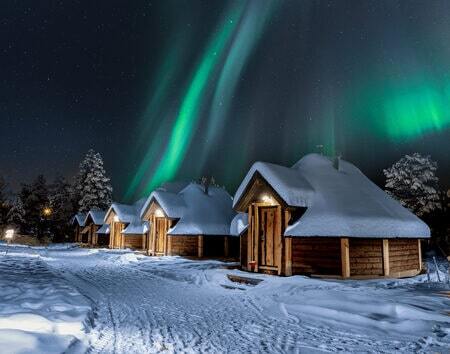
While the increasing daylight eventually makes sightings more difficult, the first part of the month can still provide dark enough skies to witness the Aurora Borealis dancing across the sky. Early April can still offer the chance for this magical experience, particularly on clear nights.
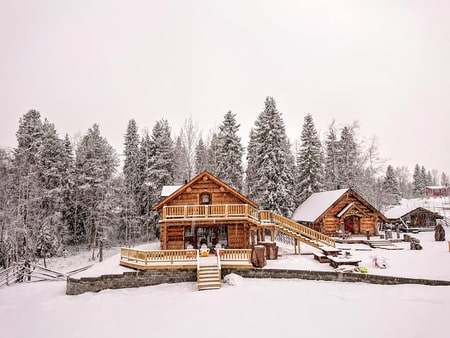
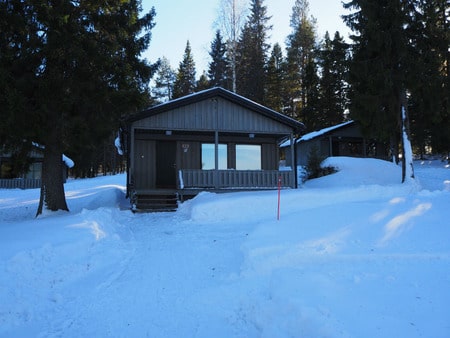
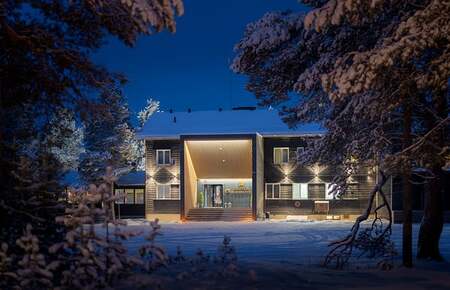
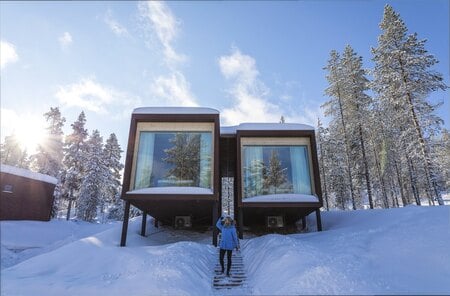
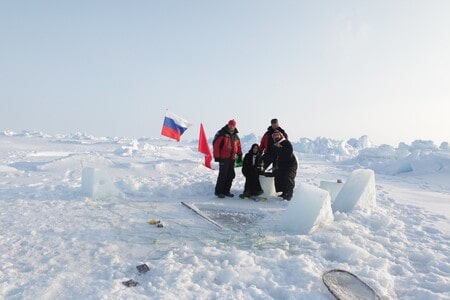
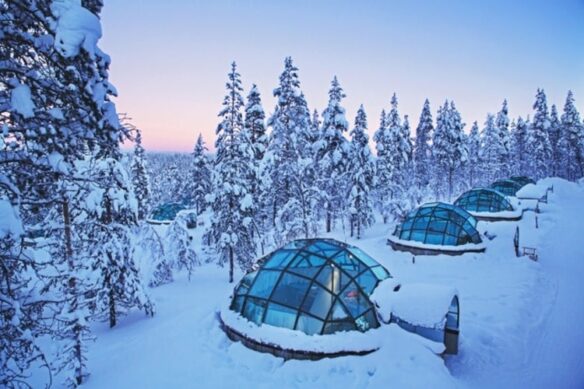
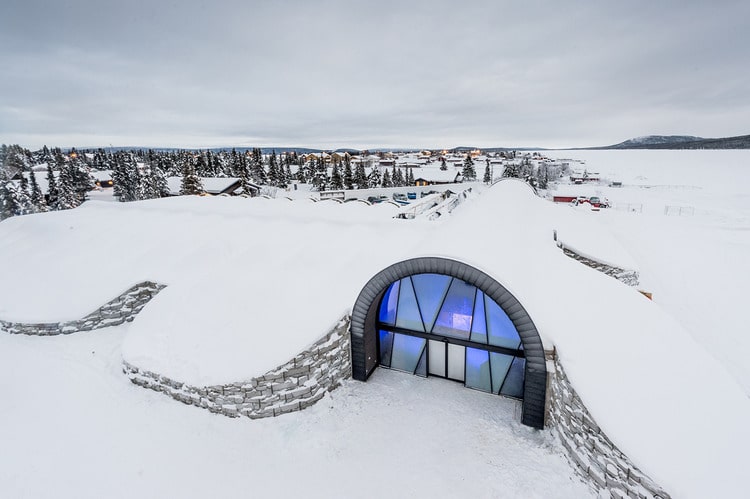
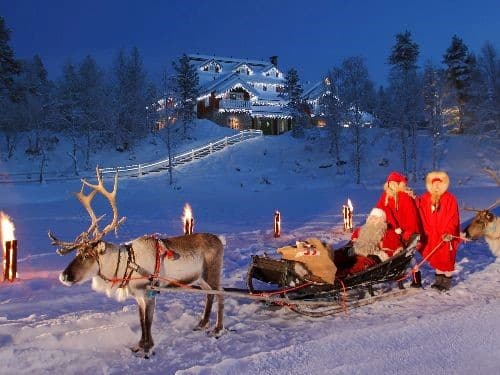
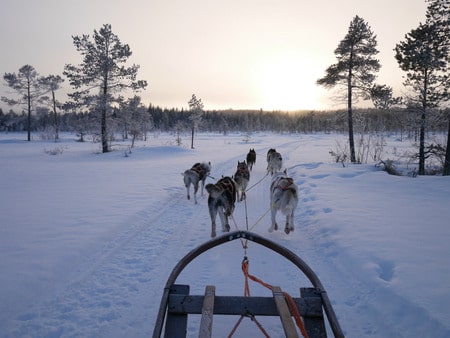
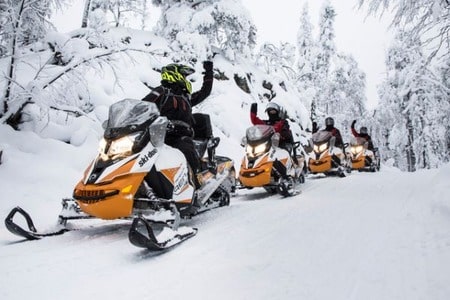
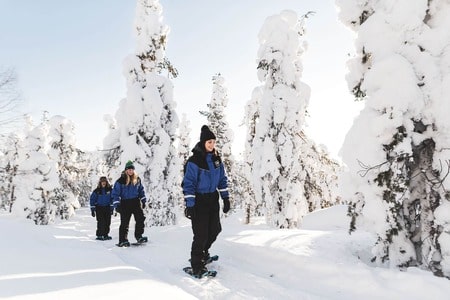
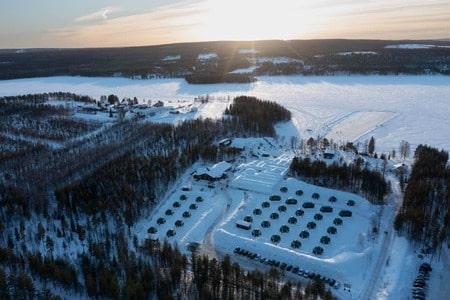
Despite the shift into spring, much of the Arctic is still covered in snow, particularly in northern regions such as Lapland. This means that many classic winter activities are still available, from husky sledding and snowmobiling to cross-country skiing across wide, open landscapes. The main difference in April is the longer daylight hours, softer light and milder days, which make exploring more comfortable and add an extra dimension to the scenery.
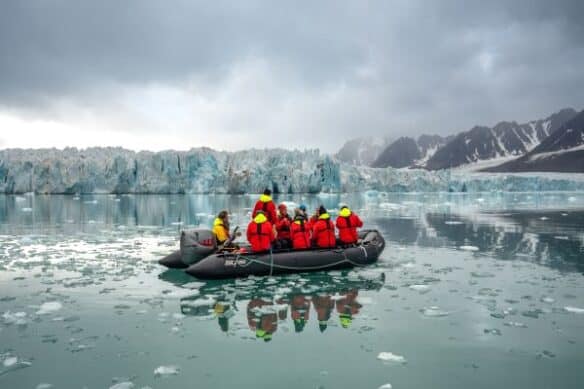
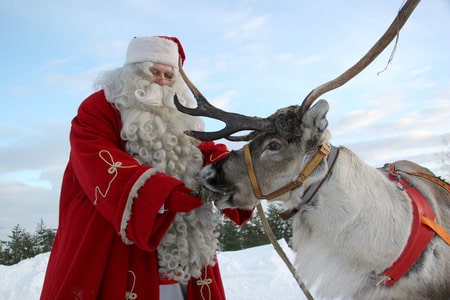
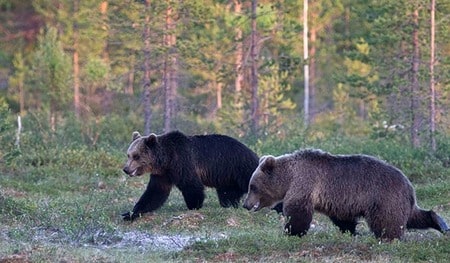
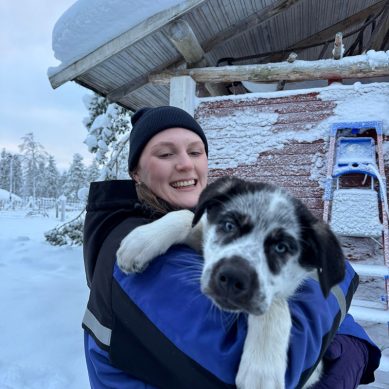
As spring gradually unfolds, wildlife activity begins to increase, adding another layer of excitement to Arctic travel. Animals that have been less visible during the harsh winter months start to reappear, taking advantage of the changing conditions. This makes April a particularly appealing time for nature enthusiasts and photographers, as the region feels more alive while still retaining its dramatic winter beauty. Some of the unique wildlife you can see during this time include polar bears, the arctic fox and seals who rest on the sea ice.
What makes April stand out is the balance it offers. It’s often seen as the best of both worlds, with snowy conditions still in place but longer, brighter days and slightly milder temperatures. It’s also generally quieter than the peak winter months, giving it a more relaxed feel and allowing for a more immersive experience in the Arctic landscape.
For those looking for a mix of adventure and natural beauty, April is a great time to visit. It’s a season of transition, where winter is still very much present, but spring is starting to emerge, creating a travel experience that feels both varied and memorable.
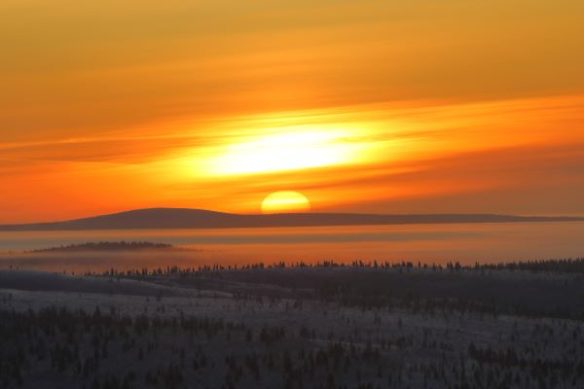
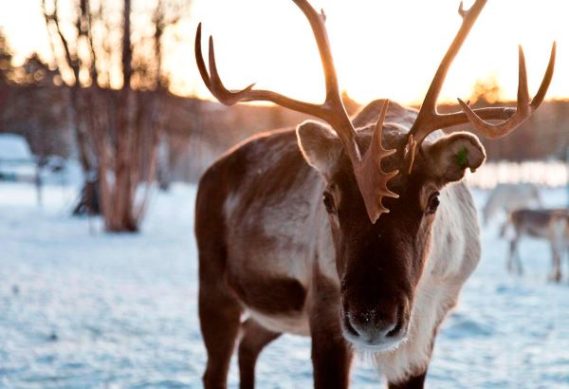
Image credits: Northern Lights Village